Trusted By
10,000+ Patients & Families

Oral, head, and neck cancers are a diverse group of cancers that develop in the mouth, tongue, lips, gums, cheeks, throat (pharynx), voice box (larynx), nasal cavity, paranasal sinuses, salivary glands, and other structures of the head and neck region. These cancers can affect essential functions such as speaking, swallowing, breathing, chewing, hearing, and facial appearance, making timely diagnosis and specialized treatment crucial.
Risk factors for oral, head, and neck cancers include tobacco use, alcohol consumption, human papillomavirus (HPV) infection, prolonged sun exposure (especially for lip cancer), poor oral hygiene, and certain environmental or occupational exposures. Recognizing early warning signs—such as persistent mouth ulcers, difficulty swallowing, hoarseness, neck swelling, or unexplained weight loss—can lead to earlier diagnosis and improved treatment outcomes.
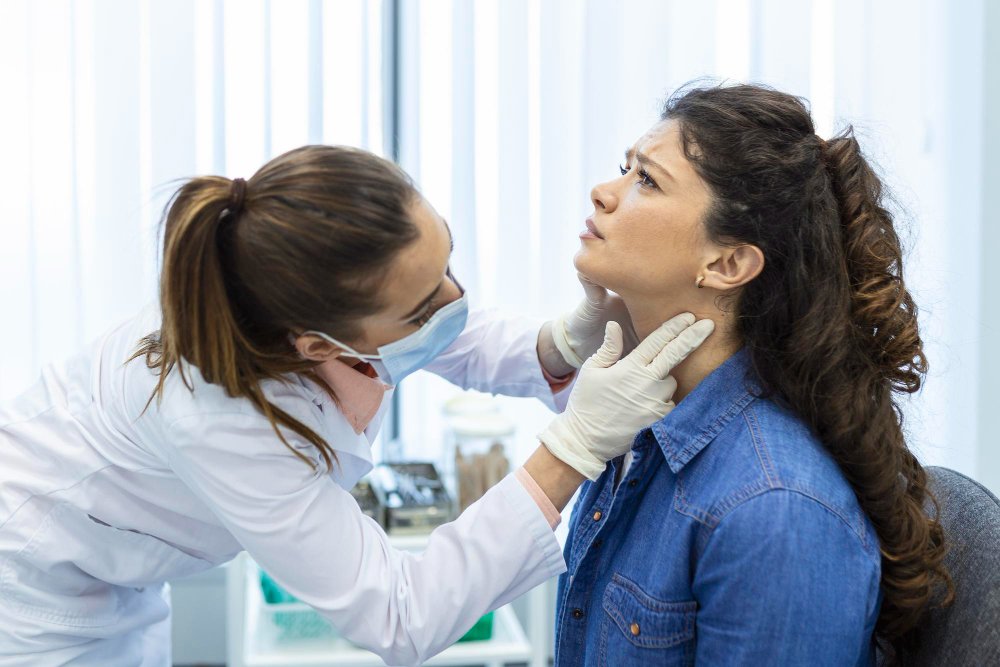
Our specialists provide diagnosis and treatment for various cancers, including:
Symptoms of oral, head, and neck cancers may include:
Any persistent symptom should be evaluated by a specialist.
Accurate diagnosis helps determine the most effective treatment approach. Evaluation may include:
Treatment depends on the location, stage, and characteristics of the cancer. A personalized treatment plan may include:
Surgery is a key treatment option for many oral, head, and neck cancers. Procedures may include:
Radiation therapy uses high-energy radiation to destroy cancer cells and may be used as the primary treatment or after surgery to reduce the risk of recurrence.
Chemotherapy may be used along with radiation therapy, before surgery, after surgery, or for advanced cancers.
Advanced treatments such as targeted therapy and immunotherapy may be recommended for selected patients based on cancer characteristics.
Treatment of head and neck cancers may affect speech, swallowing, nutrition, and appearance. Comprehensive care may include:
Early diagnosis of oral, head, and neck cancers can improve treatment options and outcomes. Avoiding tobacco and alcohol use, maintaining oral health, and seeking medical advice for persistent symptoms can help reduce risks and support early detection.
If you have symptoms, abnormal findings, or a diagnosis of oral, head, or neck cancer, our specialists provide expert evaluation and personalized treatment guidance. Contact us to schedule a consultation and begin your treatment journey with comprehensive cancer care.


If we can help in any way, please don’t hesitate to set a time to meet or talk, or leave your details and we’ll get back to you.