Mon - Sun 09:00 - 21:00 +91 9467301244info@starcancer.com
Trusted By
10,000+ Patients & Families

Leading Oncology Team
Specialists from Top Indian Hospitals
High Patient Satisfaction
Rated 4.9/5 in Patient Reviews

GI, Liver & Pancreatic Cancer Treatment

GI, Liver & Pancreatic Cancer Treatment

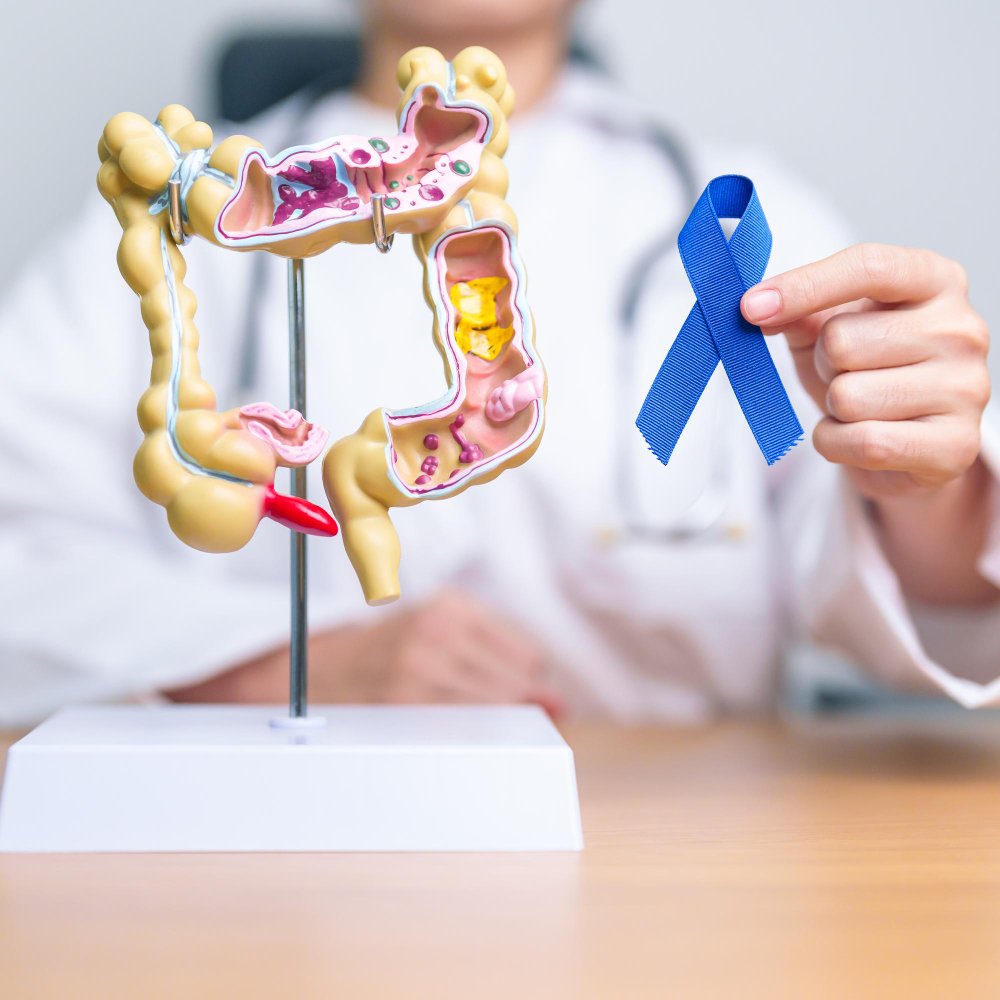
Cancers affecting the gastrointestinal (GI) tract, liver, and pancreas require timely diagnosis, accurate staging, and a personalized treatment plan. Our multidisciplinary team provides comprehensive care using the latest diagnostic techniques and evidence-based treatments to achieve the best possible outcomes while focusing on each patient’s quality of life.
  • Advanced diagnostic evaluation and staging
  • Minimally invasive and complex cancer surgery
  • Chemotherapy
  • Targeted therapy
  • Immunotherapy
  • Palliative and supportive care
  • Nutritional guidance and rehabilitation
  • Regular follow-up and survivorship care
  • Radiation therapy (when indicated)

GI, Liver & Pancreatic Cancer Treatment

Surgery remains one of the most effective treatments for many GI, liver, and pancreatic cancers. Our surgical team performs both minimally invasive and open procedures, depending on the patient's condition and the complexity of the disease.

Advanced Surgical Expertise

  • Common procedures include:

    • Liver resection
    • Pancreatic surgery (Whipple procedure and distal pancreatectomy)
    • Colon and rectal cancer surgery
    • Gastrectomy
    • Esophagectomy
    • Bile duct and gallbladder cancer surgery
    • Metastasectomy for selected patients

    Why Choose Us?

    • Experienced multidisciplinary cancer specialists
    • Personalized treatment plans
    • Advanced surgical techniques
    • Modern chemotherapy, targeted therapy, and immunotherapy options
    • Comprehensive pre- and post-treatment care
    • Compassionate support for patients and families
    • Focus on improving survival, recovery, and quality of life

    Early Diagnosis Saves Lives

    Many GI, liver, and pancreatic cancers can be treated more effectively when detected early. Symptoms such as persistent abdominal pain, unexplained weight loss, difficulty swallowing, changes in bowel habits, jaundice, blood in stools, or ongoing digestive problems should not be ignored. Early consultation with a specialist can lead to timely diagnosis and better treatment outcomes.

    Book a Consultation

    If you or a loved one has been diagnosed with a gastrointestinal, liver, or pancreatic cancer, our team is here to guide you through every stage of treatment with expertise, compassion, and comprehensive care. Schedule a consultation to discuss your condition and explore the most appropriate treatment options.

Frequently Asked Questions

What are GI, liver, and pancreatic cancers?

GI (gastrointestinal) cancers are cancers that develop in the digestive system, including the esophagus, stomach, small intestine, colon, rectum, and anus. Liver and pancreatic cancers affect organs involved in digestion, metabolism, and bile production. These cancers require specialized evaluation and a personalized treatment approach.

What are the common symptoms of GI, liver, and pancreatic cancers?

Symptoms may vary depending on the type and stage of cancer. Common signs include:

  • Unexplained weight loss
  • Persistent abdominal pain or discomfort
  • Changes in bowel habits
  • Difficulty swallowing
  • Loss of appetite
  • Nausea or vomiting
  • Jaundice (yellowing of the skin or eyes)
  • Blood in stool or vomiting blood
  • Persistent fatigue

If these symptoms continue, a specialist evaluation is recommended.

How are GI, liver, and pancreatic cancers diagnosed?

Diagnosis may involve a combination of tests, including physical examination, blood tests, imaging studies such as CT scans or MRI, endoscopy, colonoscopy, and biopsy. These investigations help determine the type, stage, and most suitable treatment approach.


What treatment options are available for GI, liver, and pancreatic cancers?

Treatment depends on the type, location, and stage of cancer, as well as the patient’s overall health. Options may include surgery, chemotherapy, targeted therapy, immunotherapy, radiation therapy, and supportive care. A multidisciplinary team creates an individualized treatment plan for each patient.


Is surgery possible for liver and pancreatic cancers?

Surgery may be an option for selected patients, especially when the cancer is detected at an early stage and can be safely removed. Procedures such as liver resection, pancreatic surgery, and other complex cancer surgeries may be considered based on the patient’s condition.


What is the Whipple procedure for pancreatic cancer?

The Whipple procedure (pancreaticoduodenectomy) is a complex surgery used to treat certain pancreatic and bile duct cancers. It involves removing the head of the pancreas along with nearby structures affected by the disease. The procedure is performed after careful evaluation to determine if it is suitable for the patient.


Can advanced GI, liver, or pancreatic cancers be treated?

Yes. Even when cancer is advanced, treatment can help control disease, relieve symptoms, improve quality of life, and sometimes extend survival. Treatment options may include chemotherapy, targeted therapies, immunotherapy, and supportive care.


How is the right treatment plan decided?

A treatment plan is based on several factors, including the cancer type, stage, genetic or molecular characteristics, overall health, and personal treatment goals. A team of specialists reviews these factors to recommend the most appropriate approach.


What specialists are involved in GI, liver, and pancreatic cancer care?

Cancer care often involves a multidisciplinary team that may include surgical oncologists, medical oncologists, radiation oncologists, gastroenterologists, radiologists, pathologists, nutrition specialists, and supportive care experts.


Why is early detection important in GI, liver, and pancreatic cancers?

Early diagnosis can increase the range of available treatment options and may improve outcomes. Regular medical evaluation and timely consultation for concerning symptoms can help identify cancer at an earlier stage.


How can I schedule a consultation for GI, liver, or pancreatic cancer treatment?

You can contact our team to schedule a consultation. Our specialists will review your medical history, recommend necessary evaluations, and guide you through the most suitable treatment options.

Let's Talk !

If we can help in any way, please don’t hesitate to set a time to meet or talk, or leave your details and we’ll get back to you.